




What Volkswagen Means by “More Premium” in the 2027 Atlas
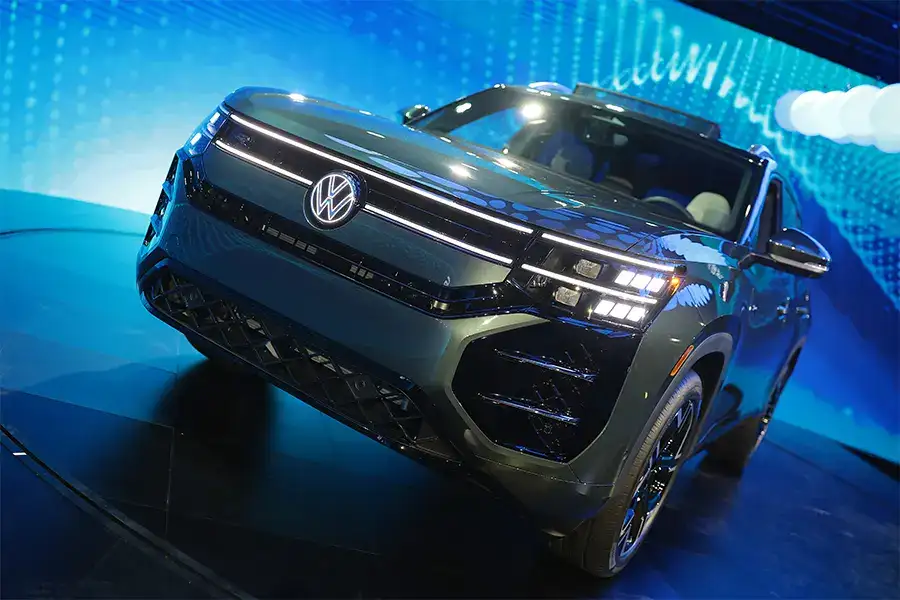
Volkswagen did not introduce the all-new 2027 Atlas as a radically different kind of three-row SUV. The formula is still familiar: roomy seating, family-friendly flexibility, available all-wheel drive, and a broad set of technology and safety updates. What changed is the way Volkswagen is positioning the vehicle. The 2027 Atlas is being presented as a more polished, more upscale, and more thoughtfully equipped version of one of VW’s most important SUVs.
That distinction matters. In a crowded three-row segment, space alone is no longer enough. Shoppers still care about passenger room and cargo flexibility, but they also pay close attention to cabin design, material quality, comfort features, and the way technology fits into daily life. That is where the new Atlas appears to make its biggest move.
What Are the New Features on the 2027 Atlas?
Before getting into the bigger design story, here are the headline points Volkswagen has announced for the 2027 Atlas:
- A revised 2.0-liter EA888 evo5 turbocharged four-cylinder engine with 282 horsepower and 258 lb-ft of torque
- An updated design with all-new sheet metal and revised front and rear lighting
- A 12.9-inch infotainment display on the base trim and a 15-inch display on all other trims
- Standard 10.25-inch Digital Cockpit Pro instrumentation across the lineup
- Real wood décor as standard, with available Varenna leather or Nappa leather on upper trims
- New family-focused standard features including a power liftgate, rear sunshades, dual wireless charging, and front and rear Park Distance Control
- A new front center airbag and updates to the standard IQ.DRIVE driver-assistance suite
- A fall 2026 launch timing, with pricing and more detailed specifications still to come
Those are the basics. The more interesting question is what they add up to. Right now, the clearest answer is that Volkswagen is not trying to turn Atlas into a dramatically different SUV. It is trying to make Atlas feel more expensive, more refined, and more satisfying to live with.
The cabin is where the new Atlas makes its strongest case
The outgoing Atlas built its reputation on usable space, straightforward packaging, and real three-row practicality. That formula worked. Even so, the cabin was not usually the first reason people talked about the vehicle.
That appears to be changing. Volkswagen is putting a much stronger emphasis on interior presentation this time around. Real wood décor is now standard. Ambient lighting takes on a much bigger role in the overall design. Upper trims move into richer upholstery choices, including Varenna leather and available Nappa leather. The dashboard itself looks more sculpted and more architectural, with a broad loop design that gives the front cabin a more intentional, upscale appearance.
This is where the “more premium” language starts to make sense. Volkswagen is not describing the new Atlas as an outright luxury SUV. It is instead giving the vehicle the kind of richer cabin presentation that more shoppers now expect in a three-row family vehicle.
Premium is not just about appearance
What makes the new Atlas interesting is that Volkswagen’s upscale push is not limited to visual design. Many of the updates are aimed at the way the vehicle feels in regular use.
The move to a column-mounted shifter opens up more center-console space. Dual wireless phone charging is built into that area so two phones can charge side by side. Rear sunshades are now standard. There are new air vents in the B-pillars, available second-row ventilation, and revised front seats with enhanced lumbar support. On upper trims, four-way massage is available for both front seats.
That is a more useful definition of premium than simply adding a larger screen and calling it a day. For many families, a more upscale SUV is one that feels easier, more comfortable, and better thought out during the routines that fill most ownership days. That could mean school drop-offs, shopping runs around Norwood, or a longer highway drive when the whole cabin is occupied.
Volkswagen is using technology to elevate the experience
The technology story matters here too, but less because of novelty alone and more because of how VW is using tech to shape the cabin experience.
The larger available display, standard digital instrumentation, upgraded ambient lighting, available Harman Kardon audio system, and a new Driver Experience Dial all contribute to a more modern feel inside. Volkswagen is also adding a one-year trial of Premium Speech, its generative AI-enabled voice assistant, to help with natural-language tasks.
The Driver Experience Dial is one of the more revealing additions. It is a physical control in a cabin that still relies heavily on touchscreen-based functions, and it suggests Volkswagen understands that good technology is not only about display size. It is also about how natural the controls feel in everyday use.
That remains one of the open questions surrounding the new Atlas. Early reaction to the reveal has been positive on the larger screens and upgraded interior, but some first-look coverage has also raised the question of whether the vehicle still leans too much on screen-based interaction for certain tasks. That is something shoppers will likely want to judge in person.
The powertrain update supports the main story rather than changing it
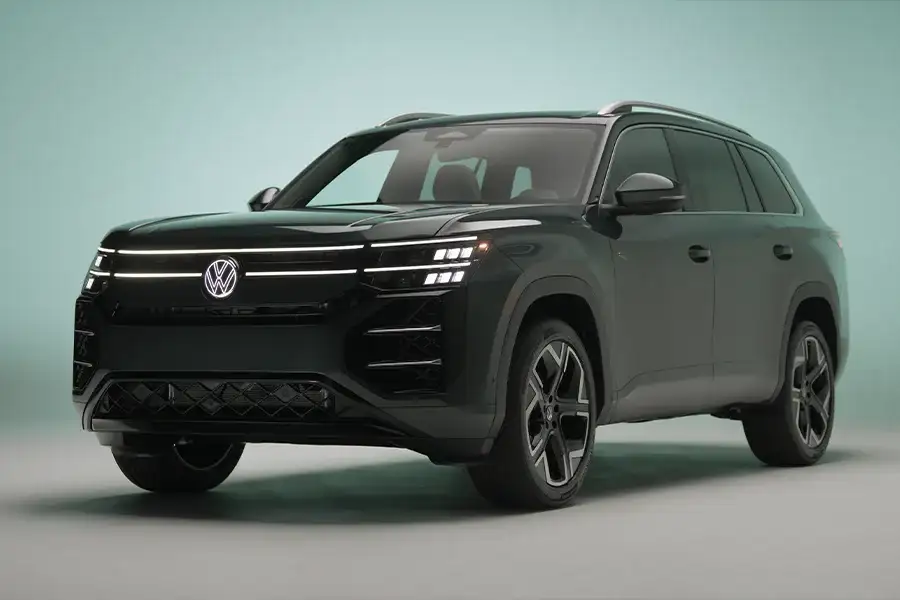
Volkswagen’s revised 2.0-liter turbo four gives the new Atlas an easy headline: 282 horsepower. That is 13 horsepower more than the outgoing model and the highest output yet for an Atlas. At the same time, peak torque is rated at 258 lb-ft, so the performance story is a little more nuanced than a simple “more power” talking point.
That nuance actually fits the broader theme of the vehicle. The 2027 Atlas does not need to become a sporty three-row SUV to be more compelling. It needs to feel more complete. If the updated engine delivers smoother response, confident everyday drivability, and the improved efficiency Volkswagen expects, that will matter more to many buyers than a straight performance headline. Official EPA fuel-economy figures have not been released yet, so that part of the story will have to wait.
Volkswagen says towing capacity remains at 5,000 pounds when properly equipped with a factory-installed trailer hitch, and the eight-speed automatic transmission remains in place. Front-wheel drive is standard, while 4Motion all-wheel drive is available across the lineup.
Why this may be exactly the right move
Volkswagen did not need to reinvent the Atlas. It needed to make the vehicle feel more competitive in the ways shoppers notice most quickly and live with most often. The 2027 model appears to do that by treating the cabin as the centerpiece of the redesign.
That is why the premium angle matters so much. The new Volkswagen Atlas is trying to feel better. If the upgraded materials, comfort features, interface changes, and overall sense of polish hold up in person, Volkswagen may have made exactly the right changes to keep Atlas strong in a demanding three-row SUV segment.
Drivers in Norwood and the Greater Boston area who want family-friendly space with a richer cabin experience will have good reason to keep an eye on the 2027 Atlas as more details arrive ahead of launch. Nucar Volkswagen of Norwood looks forward to helping shoppers take a closer look when the time comes. Everyone loves a Nucar!
0 comment(s) so far on What Volkswagen Means by “More Premium” in the 2027 Atlas